
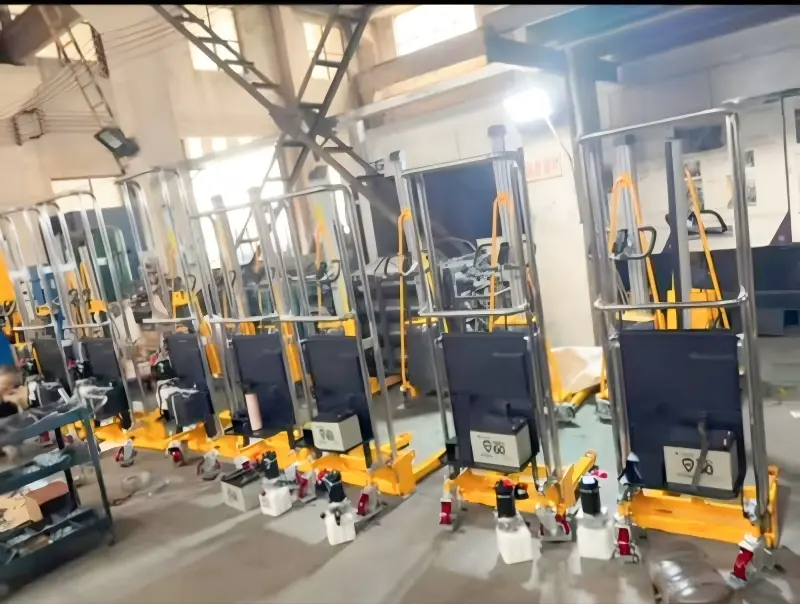
Forklift Jib Manufacturer for Heavy Duty Lifting Attachments

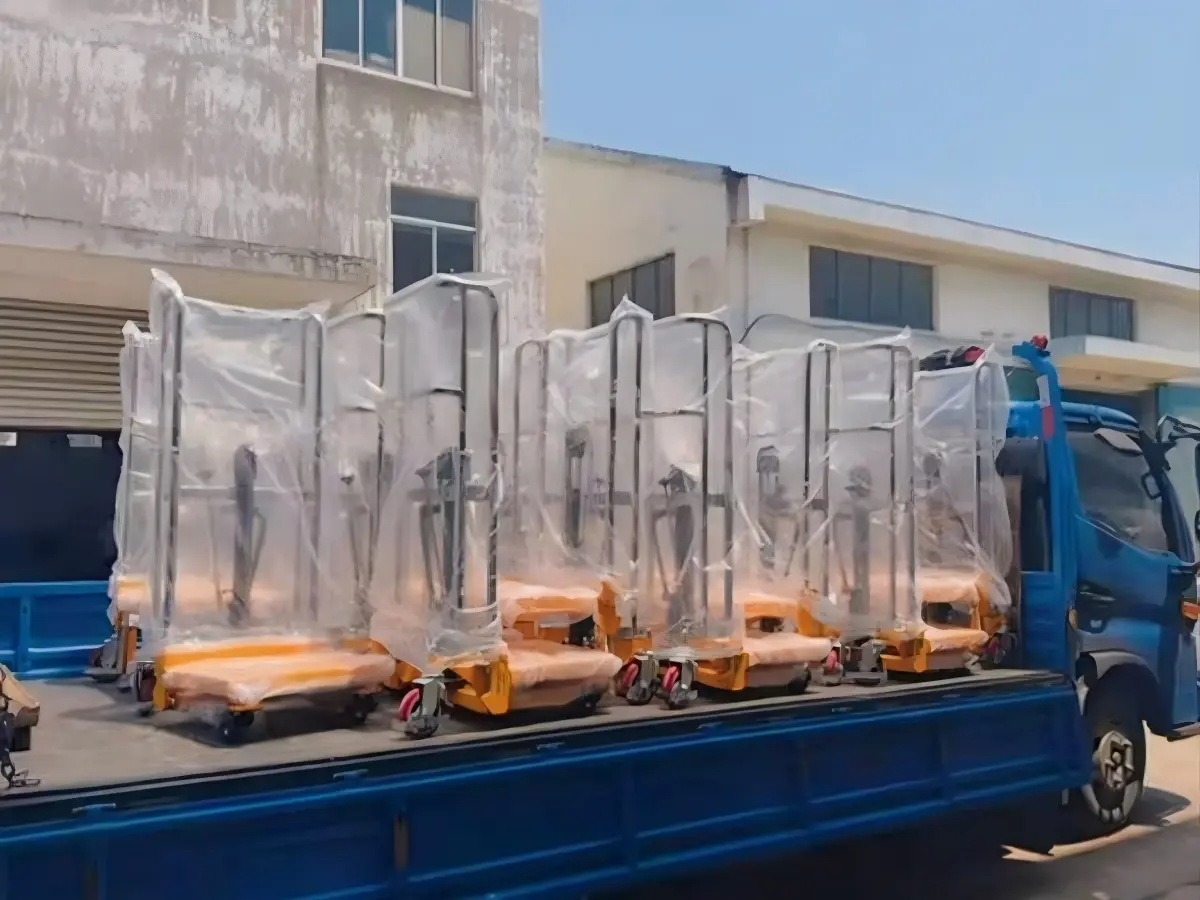
Understanding Forklift Jibs and Lifting Attachments
As a premier forklift jib manufacturer, we engineer heavy-duty material handling solutions that transform standard lift trucks into versatile, overhead mobile crane units.
What Is a Forklift Crane Jib?
A forklift crane jib is a high-strength structural extension attached to a forklift’s tines or carriage. It allows operators to safely hoist, suspend, and transport heavy, non-palletized, or awkwardly shaped loads.
| Feature Category | Forklift Jib Specifications |
|---|---|
| Core Function | Suspended load lifting & overhead reach |
| Mounting Style | Fork-mounted (tine pockets) or Carriage-mounted |
| Working Load Limit | 1,000 lbs to 10,000+ lbs (custom ratings available) |
| Construction | Heavy-gauge welded structural steel |
Core Applications in Material Handling
- Machinery & Plant Maintenance: Lifting heavy motors, dies, and structural equipment into tight spaces.
- Non-Palletized Cargo Handling: Moving bundles of pipe, tubing, rebar, or sheet metal across job sites.
- Over-Obstacle Loading: Utilizing a telescopic boom configuration to extend reach over barriers or into truck beds.
- Construction & Outdoor Yards: Transporting materials across rough terrain without requiring a dedicated crane.
Key Benefits of Forklift Jib Attachments
- Maximum Fleet Efficiency: Expands the capability of existing lift trucks, eliminating the high cost of dedicated mobile cranes.
- Rapid Installation: Quick-mount designs allow operators to secure crane jibs with safety chains and locking pins within minutes.
- Enhanced Jobsite Safety: Engineered lift points and certified swivel hooks prevent rigged load slippage and manual strain.
- Modular Compatibility: Integrates seamlessly with diverse forklift attachments across light, medium, and heavy-duty industrial environments.
Main Types of Forklift Jibs Available
Every material handling operation demands specific reach and weight capacities. As a trusted forklift jib manufacturer, we engineer specialized options to instantly convert standard lift trucks into high-performing crane jibs.
Fixed Length Forklift Jibs
Fixed-length designs offer a single, unyielding reach point that maximizes structural strength and load capacity. They are simple to mount, cost-effective, and ideal for standard, repeatable overhead lifting tasks.
- Best For: Heavy, straightforward lifts with consistent pickup distances.
- Key Advantage: Maximum weight capacity with minimal structural deflection.
- Fleet Integration: Fits seamlessly into daily operations alongside other versatile forklift attachments.
Telescopic and Extendable Jib Booms
When standard reach falls short, a telescopic boom provides extended horizontal coverage across multiple locking points. Operators can adjust the reach length to pick up awkwardly positioned loads or navigate tight spaces effortlessly.
- Adjustable Reach: Multiple pin positions along the outer beam for quick length changes.
- Versatility: Handles variable load centers without swapping out attachments.
- Space Saving: Retracts for compact maneuvering in congested job sites.
High Lift and Pivot Boom Forklift Jibs
High-lift and pivot boom models feature an angled or height-adjustable beam structure. This design delivers crucial vertical elevation, allowing operators to clear obstacles and lift cargo over machinery or tall storage racks. forklift jib manufacturer
- Increased Elevation: Grants additional vertical height beyond standard mast limitations.
- Multi-Position Tilt: Adjusts to various angles for complex rigging setups.
- Targeted Performance: Complements specialized plant setups alongside dedicated mobile workshop cranes.
Heavy-Duty Industrial Jib Attachments
Engineered for extreme environments, heavy-duty industrial jibs utilize high-tensile steel and reinforced fork pockets. Built for continuous use in steel mills, foundries, and heavy manufacturing facilities, these units maintain absolute stability under maximum load limits.
- Rugged Build: Thick-walled structural steel with continuous heavy-gauge welds.
- Safety Hardware: Heavy-duty swivel hooks and safety chain retention systems.
- Primary Uses: Transporting massive die sets, structural steel, and heavy machinery parts.
Key Features and Technical Specifications
As a dedicated forklift jib manufacturer, we engineer our equipment to deliver maximum structural integrity, reach flexibility, and job-site safety. Matching the right specs to your daily material handling tasks ensures seamless operation and extends equipment service life.
Load Capacity and Working Load Limits
Working Load Limit (WLL) defines the absolute maximum load weight permitted under standard operating conditions. Because lifting capacity drops as the load center moves outward, understanding how extension impacts capacity is critical for proper operation.
| Extension Profile | Position Reach | Typical WLL Capacity |
|---|---|---|
| Fully Retracted | 4 ft – 6 ft | Up to 10,000 lbs |
| Mid Extension | 6 ft – 9 ft | Up to 6,000 lbs |
| Full Extension | 9 ft – 12 ft | Up to 3,000 lbs |
An adjustable telescopic boom offers variable hook positions, allowing operators to quickly balance extended reach against heavy load limits.
Fork-Mounted vs. Carriage-Mounted Designs
Choosing the correct mounting style directly impacts setup time, stability, and total payload capacity:
- Fork-Mounted Jibs: Slide directly over standard forks and lock securely to the heel. They are ideal for fast attachment switches, flexible utility work, and light-to-medium forklift attachments usage.
- Carriage-Mounted Jibs: Mount directly onto the forklift carriage bar after removing the forks. By pulling the load center closer to the mast, this style maximizes stability and load ratings for heavy-duty crane jibs.
Safety Locking Systems and Hook Options
Forklift jib manufacturer. Safety mechanisms prevent hardware movement and maintain load control during elevation:
- Positive Heel Locking Pins: Drop behind the fork heel to physically lock the frame in place.
- Mast Restraint Chains: Heavy-duty safety chains anchor the attachment directly to the forklift mast backrest.
- Swivel Safety Hooks: High-tensile steel hooks with 360-degree rotation prevent sling twisting during positioning.
Safety Regulations and Mounting Instructions
How to Mount a Jib Attachment to a Forklift
Mounting crane jibs to your lift truck requires strict adherence to proper procedures to ensure operational stability:
- Position the Forks: Adjust fork spacing to align precisely with the fork pockets of the attachment.
- Drive In Fully: Drive the lift truck forward until the forks seat fully against the back of the pocket stops.
- Secure the Safety Restraint: Attach the heavy-duty safety chain directly around the forklift carriage and lock the latch to prevent forward sliding.
- Inspect Heel Pins: Ensure locking pins are engaged tightly behind the heel of the fork.
- Perform a Static Check: Lift the attachment a few inches off the ground to confirm zero movement before picking up any load.
OSHA and Safety Compliance Standards
Operating forklift attachments on job sites falls under strict regulatory oversight. OSHA standard 29 CFR 1910.178 requires written approval from the truck manufacturer before modifying equipment or adding lifting booms.
As an established forklift jib manufacturer, we ensure every unit meets rigorous ASME B30.20 safety guidelines. You must update your forklift’s data capacity plate to reflect the newly attached boom before placing equipment into active service. Stay informed on structural compliance and equipment safety standards through our industry news section.
Understanding Load Capacity Ratings and De-rating
Attaching a telescopic boom alters the lift truck’s center of gravity, moving the load center further forward. This shift dramatically lowers the maximum safe operating weight through a process called de-rating.
| Factor | Impact on Lifting Capacity |
|---|---|
| Attachment Weight | Reduces overall available payload capacity |
| Extended Distance | Moves load center forward, dropping leverage capacity |
| Hook Position | Lifting from outer hooks reduces safe working load limit (WLL) |
Never rely on the original forklift data plate alone when using a boom attachment. If you need assistance calculating the exact safe working load limit for your fleet, reach out directly through our contact page.
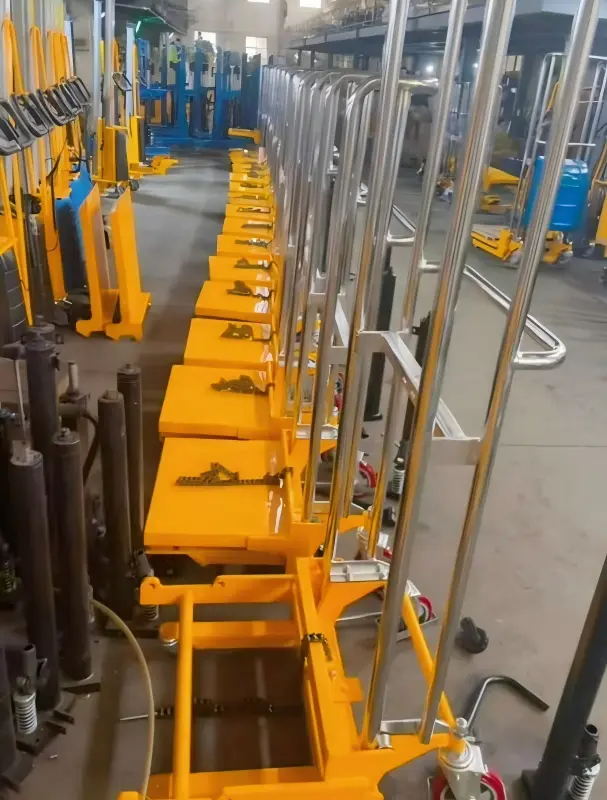
How to Choose the Right Forklift Jib Manufacturer
Selecting the right forklift jib manufacturer directly impacts jobsite safety, workflow efficiency, and equipment longevity. As lifting equipment specialists, we engineer high-performance forklift attachments designed to withstand heavy industrial usage while maintaining strict compliance with global safety standards.
Manufacturing Quality and Safety Certification
Building dependable crane jibs requires high-tensile steel, precise fabrication, and rigorous quality control. A trustworthy manufacturer provides certified proof of load testing and full transparency regarding material standards. forklift jib manufacturer
- Material Standards: Heavy-duty steel construction prevents structural fatigue under maximum capacity loads.
- Certified Compliance: Fabrication must meet OSHA, ANSI, and CE safety criteria.
- Testing Rigor: Reliable units undergo proof-load testing exceeding standard working limits before shipment.
| Quality Indicator | Industry Standard | Operational Value |
|---|---|---|
| Steel Grade | Structural Steel (e.g., Q355B / A36) | Resists bending and high stress |
| Weld Quality | Certified AWS / ISO welding | Ensures seam integrity under dynamic loads |
| Safety Factor | Minimum 3:1 or 4:1 design factor | Protects operators during peak lifts |
Custom Engineering and Design Capabilities
Off-the-shelf attachments do not fit every material handling setup. Working with a manufacturer capable of custom engineering ensures your equipment matches your specific fleet parameters and reach requirements. As a premier forklift jib manufacturer, we engineer heavy-duty material handling solutions that transform standard lift trucks into versatile, overhead mobile crane units.
When standard attachments fall short, tailor-made solutions or specialized equipment like all-electric counterbalanced floor cranes with telescopic boom features provide the exact reach and capacity required for challenging layouts.
- Custom Hook Positions: Adjustable positions to handle varied load centers.
- Mounting Flexibility: Custom fork pocket dimensions or carriage-mount designs.
- Specialized Reach: Extended telescopic options for difficult-to-access machinery.
Warranty, Lead Times, and After-Sales Support
A strong manufacturing partnership extends well beyond product delivery. Evaluating post-purchase support guarantees long-term operational uptime and fast access to replacement components.
- Structural Warranty: Clear, comprehensive warranty coverage reflects manufacturing confidence.
- Reliable Lead Times: Predictable production schedules keep your facility projects on timeline.
- Technical Assistance: Ongoing support for mounting guidance, load de-rating calculations, and spare parts replacement.