
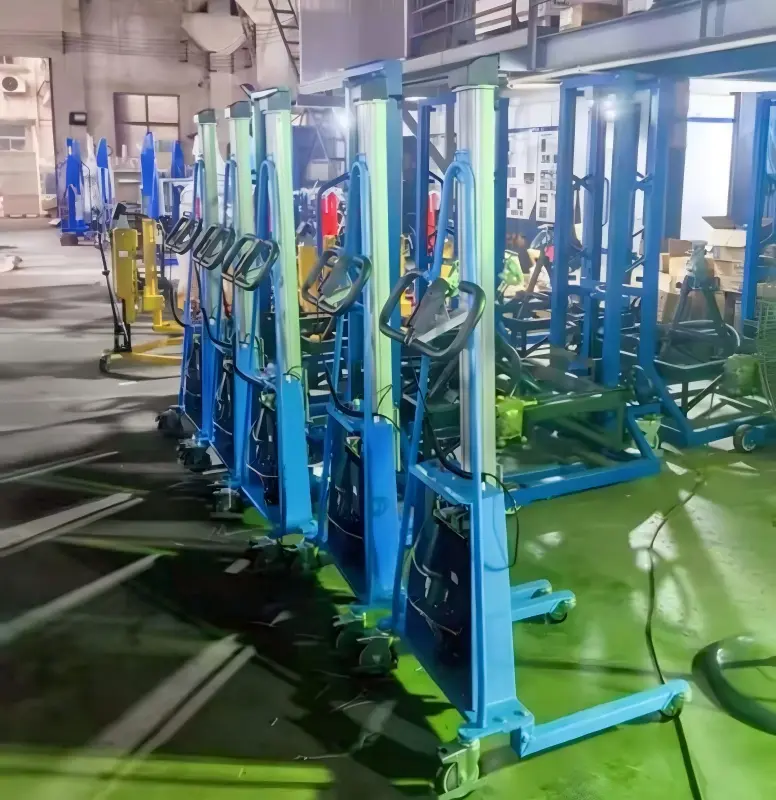
Manual Stacker Manufacturer Guide Load Capacity Types Uses

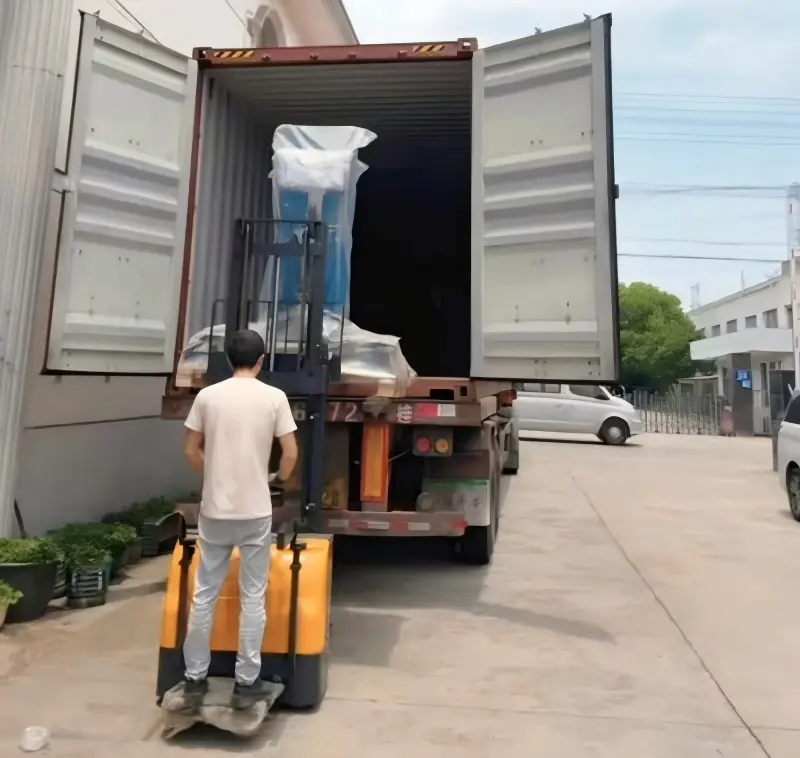
What Is a Manual Stacker and How Does It Work?
A manual stacker manufacturer is an essential piece of material handling equipment designed to lift, transport, and stack palletized goods. Operating entirely without external power, it relies on human-powered mechanical and hydraulic systems, making it a dependable, zero-emission solution for everyday lifting needs.
Understanding Manual Hydraulic Stackers
A manual hydraulic stacker, widely recognized as a hand stacker, utilizes manual effort to generate hydraulic pressure for lifting loads. As a dedicated manual stacker manufacturer and OEM factory, we design our hydraulic stacker systems for maximum operational durability. They offer a simple, plug-and-play approach to warehouse logistics without the downtime associated with battery charging or motor repairs.
Core Operating Mechanism and Components
The working mechanism relies on fluid pressure. Pumping the handle or foot pedal forces oil into the lifting cylinder, driving the chain and fork assembly upward along the mast. Turning or pulling the release lever releases the hydraulic fluid back into the reservoir, delivering controlled lowering.
- Heavy-Duty Mast Assembly: Precision-welded steel frame designed to prevent sway and bending under full loads.
- Hydraulic Pump Unit: Fully sealed cylinder system delivering high output elevation with minimal pumping effort.
- 3-Position Ergonomic Handle: Integrates lift, lower, and neutral drive settings into a single control point.
- Adjustable Load Forks: Standardized fork carriage compatible with various pallet stacker load configurations.
- Floor-Safe Casters: Durable polyurethane or nylon wheels with foot brakes for secure positioning.
Key Advantages of Using Manual Stackers
Manual stackers offer a practical balance of performance, safety, and economy. When we build these units, our focus is on giving businesses a dependable workhorse that lowers operating costs while keeping warehouse operations moving smoothly.
Cost-Effective Material Handling Solutions
- Zero Power Costs: Manual hydraulic stacker models operate without relying on expensive batteries, charging stations, or fuel.
- Low Upfront Investment: Acquire heavy lifting capability at a fraction of the cost of motorized forklifts.
- Versatile Utility: Integrate them alongside smaller setup equipment like mini workstation trucks for material handling to build a complete, budget-friendly shop floor.
As an experienced manual stacker manufacturer, we design these tools to help you stretch your equipment budget without sacrificing operational capacity.
Low Maintenance and High Durability
Without motors, complex wiring, or electronic control boards, service requirements remain minimal over the unit’s lifespan.
- Heavy-Duty Steel Frame: Solid chassis construction handles daily industrial wear and tear effortlessly.
- Reliable Hydraulic Pump: High-grade hydraulic stacker mechanisms only require periodic fluid and seal checks.
- Maximum Uptime: Fewer wearable components mean less risk of sudden breakdowns and long service life.
Compact Design for Narrow Aisle Operation
Space constraints are a reality in modern logistics. A quality hand stacker provides the tight maneuverability required where large forklifts simply cannot fit.
| Feature | Direct Benefit |
|---|---|
| Small Footprint | Easily maneuvers inside cramped storage bays and narrow aisles. |
| Lightweight Chassis | Safe for floor-loading limits on mezzanines and upper levels. |
| Precise Steering | Gives operators exact control when positioning pallets in tight spots. |
Common Types of Manual Stackers
As an experienced manual stacker manufacturer, we build versatile material handling equipment tailored to specific floor layouts, lifting demands, and pallet designs.
Standard Manual Hydraulic Stackers
Standard hand stackers use fixed forks positioned directly over the support legs. Powered by a dependable hydraulic stacker pump mechanism, these units excel at lifting open-bottom pallets in tight spaces.
High Lift Manual Hydraulic Stackers
High lift units extend your vertical reach for elevated racking and upper-tier storage. They allow operators to stack cargo safely at higher levels without requiring expensive motorized equipment.
Manual Straddle Stackers
Straddle models feature wide, adjustable base legs that position outside the load. This layout easily handles closed-bottom pallets, irregular crates, and wide cargo with maximum stability.
Load Capacities: 1 Ton, 1.5 Ton, and 2 Ton Options
Selecting the right lifting capacity prevents equipment overload and maintains smooth floor operations across your facility.
| Capacity | Target Usage | Core Feature |
|---|---|---|
| 1 Ton (2,200 lbs) | Light warehouse tasks, retail stockrooms | Smooth hand/foot pumping, high mobility |
| 1.5 Ton (3,300 lbs) | Standard factory floors, mid-weight inventory | Optimal balance of strength and maneuverability |
| 2 Ton (4,400 lbs) | Heavy industrial machinery, bulk raw materials | Reinforced steel mast, heavy-duty dual lift chain |
Primary Applications of Manual Stackers
Manual stackers serve as versatile material handling equipment across diverse commercial and industrial setups. As a dedicated OEM factory and manual stacker manufacturer, we design hand stacker units to streamline heavy lifting where bulky powered forklifts cannot operate.
Warehouse Pallet Stacking and Storage
- Vertical Racking Utilization: Safely lift and place palletized loads onto multi-tier storage racks to maximize vertical facility space.
- Narrow-Aisle Navigation: Move smoothly through tight aisles where motorized trucks are too large to maneuver.
- Staging & Sorting: Keep inbound and outbound goods organized in staging areas during peak operational hours.
For strategies on optimizing workflow and facility throughput, check out our latest industry news.
Factory Floor Loading and Unloading
- Workstation Material Feeding: Deliver raw components directly to assembly lines at ergonomic working heights to reduce operator fatigue.
- Direct Truck Loading: Load and unload delivery vans, flatbeds, and box trucks without needing a dedicated loading dock.
- Inter-Department Transport: Move work-in-progress inventory efficiently between production stages with a compact hydraulic stacker.
Retail and Inventory Handling
- Backroom Stockroom Operations: Organize high-density retail storage spaces safely without zero emissions or loud engine noise.
- Floor Replenishment: Transport inventory directly to sales floors during business hours with minimal disruption to customers.
- Flexible Pallet Handling: Adapt to various pallet stacker configurations, skids, and crates using adjustable fork options.
Manual Stacker vs. Electric Pallet Stacker
Choosing the right material handling equipment depends heavily on your daily workflow, load frequency, and budget. While an electric pallet stacker offers powered lifting and driving, a manual hand stacker delivers unmatched affordability, simple operation, and zero electrical downtime. As a manual stacker manufacturer, we help businesses weigh operational demands against overall equipment costs to find their best fit.
Manual vs. Semi-Electric Stackers
A standard hydraulic stacker relies entirely on manual effort for both lifting and moving. In contrast, a semi-electric model uses battery power for vertical lifting while requiring physical effort to push or pull the machine.
- Lifting Mechanism: Manual units use a foot pump or hand lever; semi-electric units lift loads at the press of a button.
- Efficiency & Duty Cycle: Manual hand stackers work best for low-to-medium duty cycles. Semi-electric stackers handle moderate throughput faster with reduced operator fatigue.
- Maintenance & Reliability: Manual stackers have minimal parts to service. Semi-electric units require routine battery maintenance and motor checks.
- Cost Factor: Manual stackers remain the most budget-friendly option for facilities prioritizing low overhead.
Manual vs. Full Electric Pallet Stackers
Full electric pallet stackers feature motorized lifting and drive systems, making them ideal for high-volume, multi-shift operations. However, manual models maintain key operational advantages in smaller environments:
| Feature | Manual Hydraulic Stacker | Full Electric Pallet Stacker |
|---|---|---|
| Initial Investment | Low upfront cost | High capital investment |
| Operational Footprint | Compact design; tight turning radius | Larger footprint; requires wider aisle space |
| Power Source | Manual hydraulic fluid pump | Rechargeable battery drive |
| Maintenance Needs | Basic hydraulic seal and oil changes | Complex electrical, brake, and drive systems |
| Best Usage | Staging, light unloading, tight spaces | Long haul distances, heavy continuous stacking |
If you need help selecting the right lifting capacity or custom fork specs, contact our technical team to discuss built-to-order options directly from our OEM factory.
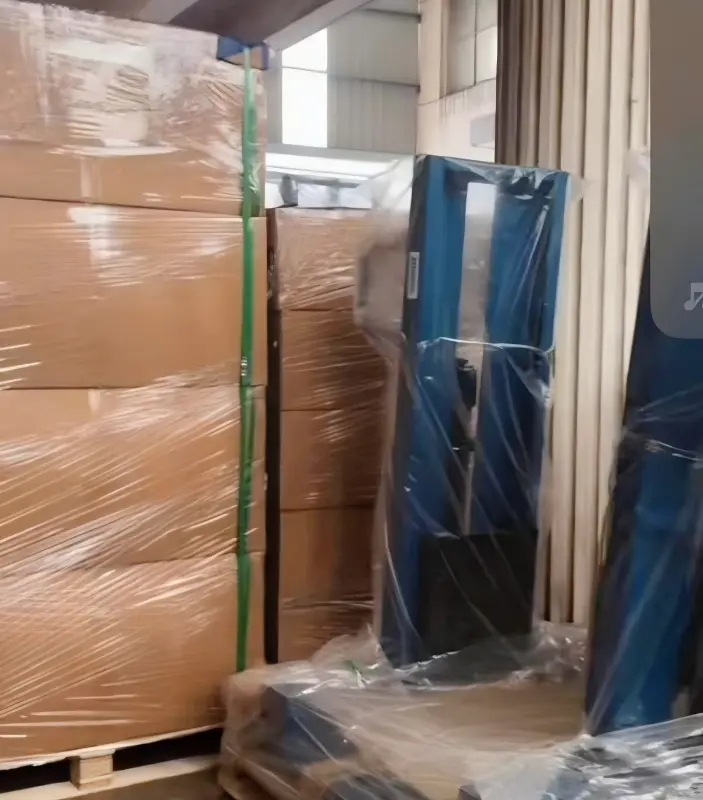
How to Choose the Right Manual Stacker Manufacturer
Selecting the right manual stacker manufacturer directly impacts your daily warehouse productivity, safety, and long-term operating costs. I always advise facility managers to look beyond basic price tags and focus on engineering quality, customization options, and long-term support.
Evaluating Load Capacity and Technical Specifications
Before committing to a supplier, verify that their technical specs align perfectly with your daily workflow requirements. We supply units designed to meet rigorous weight and height demands across various industrial environments.
| Key Parameter | Evaluation Criteria | Standard Benchmarks |
|---|---|---|
| Load Capacity | Rated weight safety limit | 1 Ton (2,200 lbs) / 1.5 Ton / 2 Ton |
| Max Lift Height | Top shelf clearance | 1.6m (63 in) up to 3.0m (118 in) |
| Fork Design | Pallet clearance and versatility | Adjustable forks (210mm – 560mm) |
| Hydraulic Pump | Manual lifting efficiency | Leak-proof integrated foot/hand pump |
You can check our full line of high-performance pallet stacker models to evaluate exact physical dimensions and lift specs.
Assessing Manufacturing Quality and OEM Customization
A top-tier OEM factory delivers heavy-duty construction and flexible custom designs. We ensure every hand stacker and hydraulic stacker leaves the assembly line ready for heavy daily usage.
- Structural Integrity: Heavy-gauge C-section steel masts prevent flexing or bending under maximum capacity.
- Sealed Hydraulic Systems: Premium double-sealed pumps prevent oil leaks and lower physical pump effort.
- Customization Capabilities: Look for suppliers who offer adjustable straddle legs, custom fork dimensions, or custom brand colors.
For non-standard warehouse setups, we can build specialized material handling solutions tailored directly to your specific rack and aisle configurations.
After-Sales Service and Warranty Support
A reliable manufacturing partner stands firmly behind their products long after the initial delivery.
- Spare Parts Stocks: Immediate local access to replacement seals, foot valves, and polyurethane wheels.
- Warranty Coverage: Solid 12-to-24-month protection covering structural frames and hydraulic assemblies.
- Direct Tech Support: Quick access to expert technicians for routine troubleshooting and maintenance tips.
Frequently Asked Questions About Manual Stackers
What is the maximum lifting height of a manual hydraulic stacker?
Most standard single-mast manual hydraulic stackers reach a maximum lift height of 1.6 meters (63 inches). For higher racking demands, dual-mast telescopic models lift up to 3.0 meters (118 inches) or even 3.5 meters (137 inches) while maintaining full frame stability. Keep in mind that as lift height increases, total load capacity slightly decreases to ensure operator safety.
How do I maintain and care for a manual stacker?
Proper upkeep keeps your equipment running smoothly and extends its service life. As an experienced manual stacker manufacturer, I recommend following a simple preventive maintenance routine for your material handling equipment:
- Check Hydraulic Oil: Inspect fluid levels monthly and purge air from the hydraulic pump if lifting feels soft or spongy.
- Grease Moving Parts: Lubricate lifting chains, mast channels, and wheel axles every three to six months.
- Inspect Wheels and Seals: Check polyurethane or nylon wheels for uneven wear and inspect oil seals for leaks.
- Keep It Clean: Wipe down the frame daily to prevent dust and debris from invading the hydraulic pump assembly.
Can manual stackers handle open and closed pallets?
Yes, but the capability depends directly on the fork and leg configuration of the hand stacker:
- Open Pallets (Euro / Bottomless): Standard wrap-over fork stackers work perfectly. The support legs roll directly under the forks into the open space beneath the pallet.
- Closed Pallets (Standard US / Double-Faced): Standard stackers will break the bottom deck boards. You must use a straddle pallet stacker with wide, adjustable outer legs that fit around the sides of the pallet rather than underneath it.