
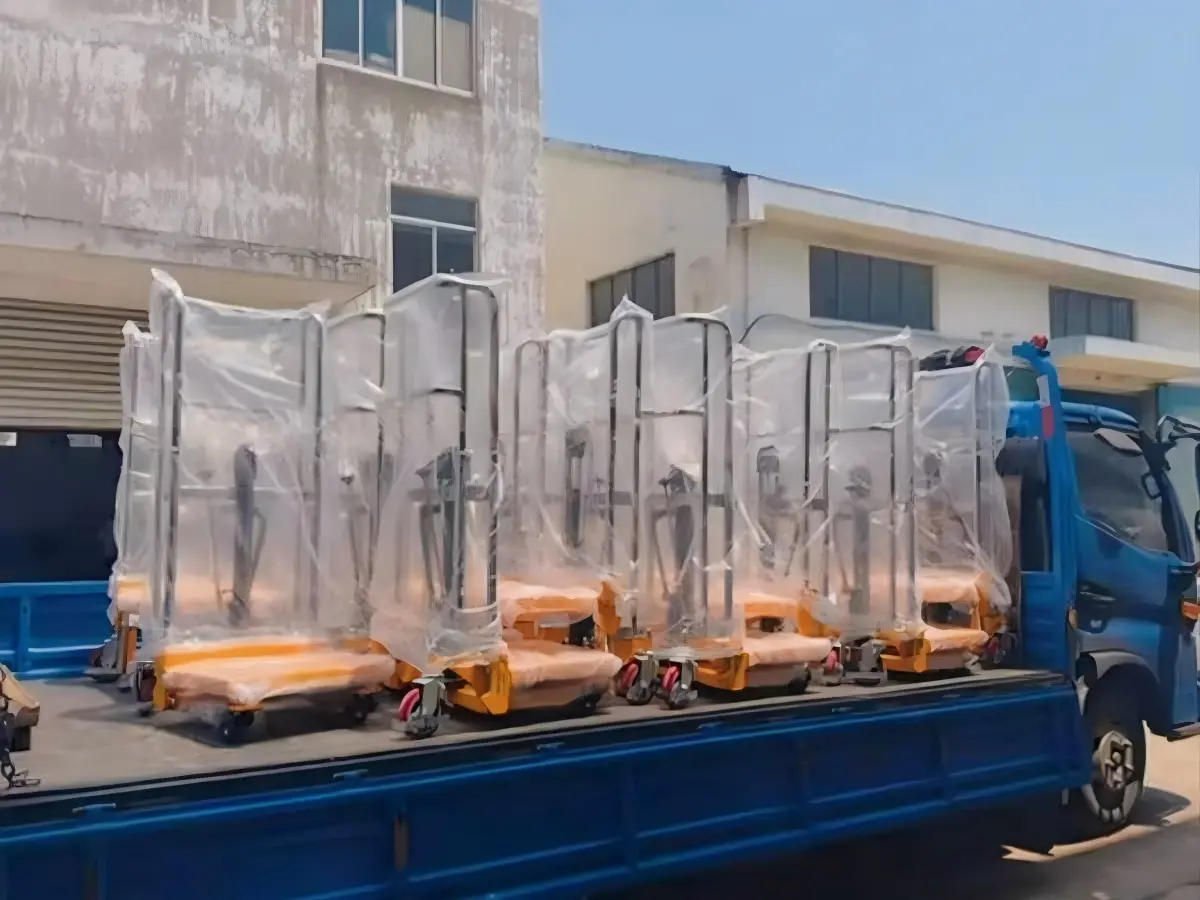
Semi Electric Pallet Stacker vs Manual Stacker Guide
Compare semi electric pallet stacker and manual stacker to choose the best option for lifting capacity ease of use cost and warehouse efficiency

Are you stuck deciding between a manual lift and a semi electric pallet stacker?
Making the wrong call can easily bottleneck your warehouse, drain your budget, and burn out your crew.
While manual stackers offer an unbeatable upfront price, they quickly fall behind when cycle times and daily lifting demands ramp up. That’s where a semi electric pallet stacker comes in—giving you effortless, push-button lifting power without the massive price tag of a fully electric fleet.
So, which one actually makes sense for your facility?
In this head-to-head breakdown, I’ll cut through the specs and compare the real-world costs, lifting speeds, and ergonomic trade-offs so you can invest with total confidence.
Let’s dive right in.
Understanding Pallet Stackers: Definitions and Core Mechanics
Warehouses and distribution centers rely on versatile pallet stacking equipment to bridge the gap between simple hand trucks and full-sized forklifts. Selecting the right lifting machinery starts with understanding how these machines function at their foundation.
What Is a Manual Pallet Stacker?
A manual pallet stacker is a completely human-powered lifting device designed for basic material handling tasks. Operators manually push or pull the unit across the facility floor and raise the load using a manual pump mechanism.
- Drive Mechanism: Purely manual pushing and pulling.
- Lifting Method: Foot pedal or hand pump handle.
- Best Suited For: Low-volume lifting, occasional staging, and facilities with tight operating budgets.
What Is a Semi-Electric Pallet Stacker?
A semi electric pallet stacker combines manual mobility with powered lifting. Operators push and maneuver the unit manually, but an electric motor powers the vertical lift via push-button controls.
This hybrid design eliminates the physical strain of hoisting heavy loads to racking heights:
- Drive Mechanism: Manual propulsion by the operator.
- Lifting Method: Electric motor powered by an onboard industrial battery.
- Key Benefit: Delivers the lifting power of a motorized stacker forklift without the high acquisition cost of a fully electric truck.
How Hydraulic Systems Operate in Each Type
Both variations rely on hydraulics to generate the lifting force required to raise pallets, but their fluid pressure sources differ entirely:
- Manual Hydraulic System: Uses a manual piston pump. Pumping the handle or foot lever manually forces hydraulic fluid into the lift cylinder, slowly raising the carriage stroke by stroke. Lowering occurs via a hand-controlled release valve that returns fluid to the reservoir.
- Semi-Electric Hydraulic System: Uses an integrated electro-hydraulic power pack. Pressing the lift button activates an electric motor connected to a hydraulic pump. The pump immediately drives fluid into the lifting cylinder, effortlessly raising tons of material within seconds. Lowering is regulated by a solenoid valve for smooth, precise descent.
Key Differences: Semi-Electric vs. Manual Stackers
When managing warehouse logistics, choosing between manual gear and powered equipment directly affects your daily cycle times. While both tools lift and move inventory, a semi electric pallet stacker changes the game by combining push-button powered lifting with manual steering.
| Feature | Manual Stacker | Semi-Electric Pallet Stacker |
|---|---|---|
| Lifting Action | Manual hand pump or foot pedal | Battery-powered hydraulic motor |
| Travel Action | Manual push / pull | Manual push / pull |
| Max Lift Height | Typically up to 63–98 inches | Reaches 118–138+ inches easily |
| Typical Capacity | 1,000 to 2,200 lbs | 2,200 to 3,300 lbs |
| Cycle Speed | Slow; labor-dependent | Fast; consistent lift speeds |
| Operator Fatigue | High physical strain | Minimal physical strain during lifting |
Lifting and Travel Operations
The primary difference lies in how each machine elevates your goods:
Manual Stackers: The operator repeatedly pumps a control handle or foot pedal to build hydraulic pressure. Maneuvering and travel are completely reliant on body weight and muscle power.
Semi Electric Stackers: We build our semi electric stacker units with an electric hydraulic pump. You simply push a button or toggle a lever to raise the forks smoothly. Horizontal travel remains manual, giving you precise steering control in tight storage spots without the complex maintenance of fully motorized drive units.
Load Capacity and Maximum Lift Height
Load demands dictate which unit works best on your shop floor:
Manual Units: Best suited for ground-level handling or basic double-stacking. Because hand pumping heavy loads past 6 feet is exhausting, capacities often cap around 2,000 lbs, with practical lift heights topping out below 8 feet.
Semi-Electric Units: Designed to tackle heavier racks. A motorized lift handles 2,500 to 3,300 lbs without slowing down, routinely reaching shelf heights of 10 to 11.5 feet. This makes modern pallet stacking equipment far more capable in high-density rack configurations.
Operation Speed and Efficiency
In terms of shop floor velocity, manual units slow down as operators tire throughout a shift. Hand-pumping a 2,000-lb load to top height can take over a minute of continuous physical exertion.
With an electric lift mechanism, raising that exact same load takes roughly 15 to 20 seconds at the push of a button. For shops staging freight, loading box trucks, or feeding production cells, using a versatile stacker forklift alternative cuts pallet turnaround times in half and keeps staging areas clear.
Ergonomics, Safety, and Operator Fatigue
Running a smooth warehouse floor comes down to keeping operators safe and alert. Repetitive manual lifting takes a brutal toll on the body, slowing down cycle times and spiking injury claims. Choosing the right pallet stacking equipment directly targets fatigue by taking the brunt of the heavy work off your crew.
Physical Exertion and Injury Prevention
Manual lifting requires dozens of foot pumps or hand strokes just to raise a single pallet. Doing that across an eight-hour shift leads directly to lower back injuries, pulled shoulders, and wrist strain.
A semi electric pallet stacker eliminates this strain entirely:
- Push-Button Lifting: An electric motor handles the vertical lift, letting operators raise thousands of pounds in seconds without breaking a sweat.
- Reduced Body Wear: Workers only provide the horizontal rolling force, drastically reducing the physical wear-and-tear associated with standard manual pumps.
- Consistent Pace: Operators maintain the same loading speed at the end of the shift as they do at the start, preventing fatigue-induced mistakes.
Control and Stability Under Heavy Loads
Handling top-heavy pallets at maximum lift height demands rigid stability. A quality semi electric stacker gives the operator total control over both the lifting and lowering phases:
- Precision Valve Lowering: Fluid hydraulic valves allow micro-adjustments when setting loads onto pallet racking, preventing sudden drops that can spill goods.
- Floor Lock Brakes: Heavy-duty foot brakes lock the caster wheels instantly, keeping the unit rock-solid while the electric mast is in motion.
- Rigid Mast Construction: Structural steel channels minimize mast deflection, delivering the balance of a small stacker forklift without the bulky footprint.
Ease of Navigation in Tight Aisles
Standard sit-down forklifts require wide turning radiuses that standard storage layouts simply do not have. Compact lifting gear solves this bottleneck:
- Tight Turning Radius: Smooth-rolling polyurethane steering casters let operators pivot the chassis within narrow aisleways and tight mezzanines.
- Unobstructed Sightlines: The centralized mast design keeps the load within direct line of sight, preventing collisions with racking frames and wall corners.
- Lightweight Maneuvering: Because the chassis lacks the heavy drive motor of a fully electric truck, manually pushing and positioning the unit into tight spots remains light and responsive on flat concrete.
Cost Comparison: Initial Investment vs. Long-Term Value
When we look at adding new pallet stacking equipment to our shop floor, we balance upfront acquisition costs against day-to-day operational savings. A manual unit offers the lowest barrier to entry, but a semi electric pallet stacker delivers faster cycle times and reduces physical strain, translating directly into long-term labor savings.
| Cost Element | Manual Pallet Stacker | Semi Electric Pallet Stacker |
|---|---|---|
| Initial Purchase | $800 – $1,800 | $2,500 – $5,000 |
| Setup & Commissioning | None (Immediate use) | Battery charging & safety check |
| Annual Maintenance | $100 – $250 | $300 – $600 |
| Productivity Impact | Slower cycles; operator fatigue | High speed lifting; steady throughput |
| Estimated Lifespan | 5–8 years (light duty) | 5–10 years (with battery upkeep) |
Upfront Purchase Costs
The price tag on an entry-level manual lift is undeniably attractive for small startups or low-volume facilities. You can purchase a dependable manual hand-pump stacker for a fraction of the cost of powered alternatives.
However, buying a semi electric pallet stacker requires roughly two to three times that initial spend. That capital investment covers the built-in electric motor, industrial hydraulic pump, deep-cycle battery, and integrated charging unit. In our operations, that higher entry price pays for itself within months if your crew moves dozens of heavy pallets daily, simply because lifting operations take seconds instead of minutes.
Maintenance and Repair Requirements
Every piece of warehouse machinery demands routine care to stay OSHA-compliant and safe on the floor.
- Mechanical Stackers: Primarily require seal checks, periodic hydraulic fluid top-offs, wheel greasing, and chain tensioning. Wear and tear are mostly limited to structural and hydraulic components.
- Semi Electric Units: Share the same chassis, mast, and chain inspections, but also introduce electrical contacts, motor brushes, wiring harnesses, and lift switches into the maintenance schedule.
While maintaining a semi electric stacker involves more moving parts, routine inspections remain straightforward. Keeping the lift chains lubricated, inspecting hydraulic hoses for leaks, and blowing dust out of the motor compartment prevents almost all common breakdowns.
Battery Maintenance and Lifecycle Costs
The battery pack serves as the power hub for electric lifting, representing the primary recurring expense unique to powered pallet stacking equipment.
- Battery Types: Most semi electric units utilize lead-acid deep-cycle batteries or newer maintenance-free AGM/lithium options.
- Daily Care: Standard lead-acid batteries demand regular topping off with distilled water and strict charging protocols to prevent cell sulfation. AGM and lithium packs eliminate fluid maintenance entirely.
- Replacement Cycle: A properly maintained battery pack generally lasts between 3 to 5 years under normal warehouse duty cycles. Replacement batteries typically cost between $300 and $700 depending on amp-hour ratings.
Factoring in a dedicated charging station and a replacement battery down the road ensures your stacker forklift delivers dependable uptime without unexpected budget hits.
Which One Should You Choose? Decision Criteria for Your Facility
Selecting the right pallet stacking equipment comes down to how your warehouse actually runs day-to-day. Both manual units and powered lifters have clear roles in material handling, but matching the tool to your exact workflow saves both money and floor space. When reviewing warehouse upgrades and deciding which one should you choose for your shop, prioritize daily cycle counts and operator safety over raw lift capacity alone.
When to Choose a Manual Stacker
A standard manual stacker works best for facilities with occasional, low-volume lifting needs where standard forklifts are overkill.
- Infrequent Stacking: You handle fewer than 5 to 10 lifts per day.
- Light-Duty Loads: Your average pallet weighs under 1,500 lbs.
- Tight Budget: You want a simple, mechanical tool with zero battery maintenance and minimal upfront spend.
- Backup Utility: You need a secondary lift on standby in loading docks or maintenance bays where electrical charging isn’t readily accessible.
When to Choose a Semi-Electric Stacker
A semi electric pallet stacker bridges the gap between manual labor and full-size forklifts. Choose a semi electric stacker when you need faster vertical lifting without investing in fully motorized travel drives.
- Multiple Daily Lift Cycles: You stack, stage, or offload pallets throughout standard daily shifts.
- Heavier Pallet Loads: You routinely move pallets weighing between 2,000 lbs and 3,300 lbs up to multi-tier racks.
- Preventing Operator Strain: You want push-button powered hydraulic lift controls to eliminate repetitive pumping injuries.
- High-Rack Racking: You regularly lift loads above 80 inches where manual pumping becomes slow and tiring.
Evaluating Frequency of Use, Load Weight, and Budget
To pick the right stacker forklift style for your shop, weigh these three critical operational metrics:
| Operational Factor | Manual Pallet Stacker | Semi-Electric Pallet Stacker |
|---|---|---|
| Daily Lift Frequency | 1–10 lifts per shift | 15–50+ lifts per shift |
| Typical Load Weight | Under 1,500 lbs | 1,500 to 3,300+ lbs |
| Max Practical Lift Height | Up to 63 inches | Up to 118–138 inches |
| Initial Purchase Cost | $800 – $1,800 | $2,500 – $4,500 |
| Routine Maintenance | Hydraulic fluid checks only | Battery charging, fluid, and motor care |
| Operator Physical Effort | High (manual pump + manual push) | Moderate (electric lift + manual push) |
For low-frequency staging, a manual model keeps your initial investment lean. If your crew handles consistent staging, inventory replenishment, or trailer offloading, stepping up to a semi electric pallet stacker pays for itself quickly through labor efficiency and reduced fatigue.